What Cryptocurrencies Does Shuffle Offer?
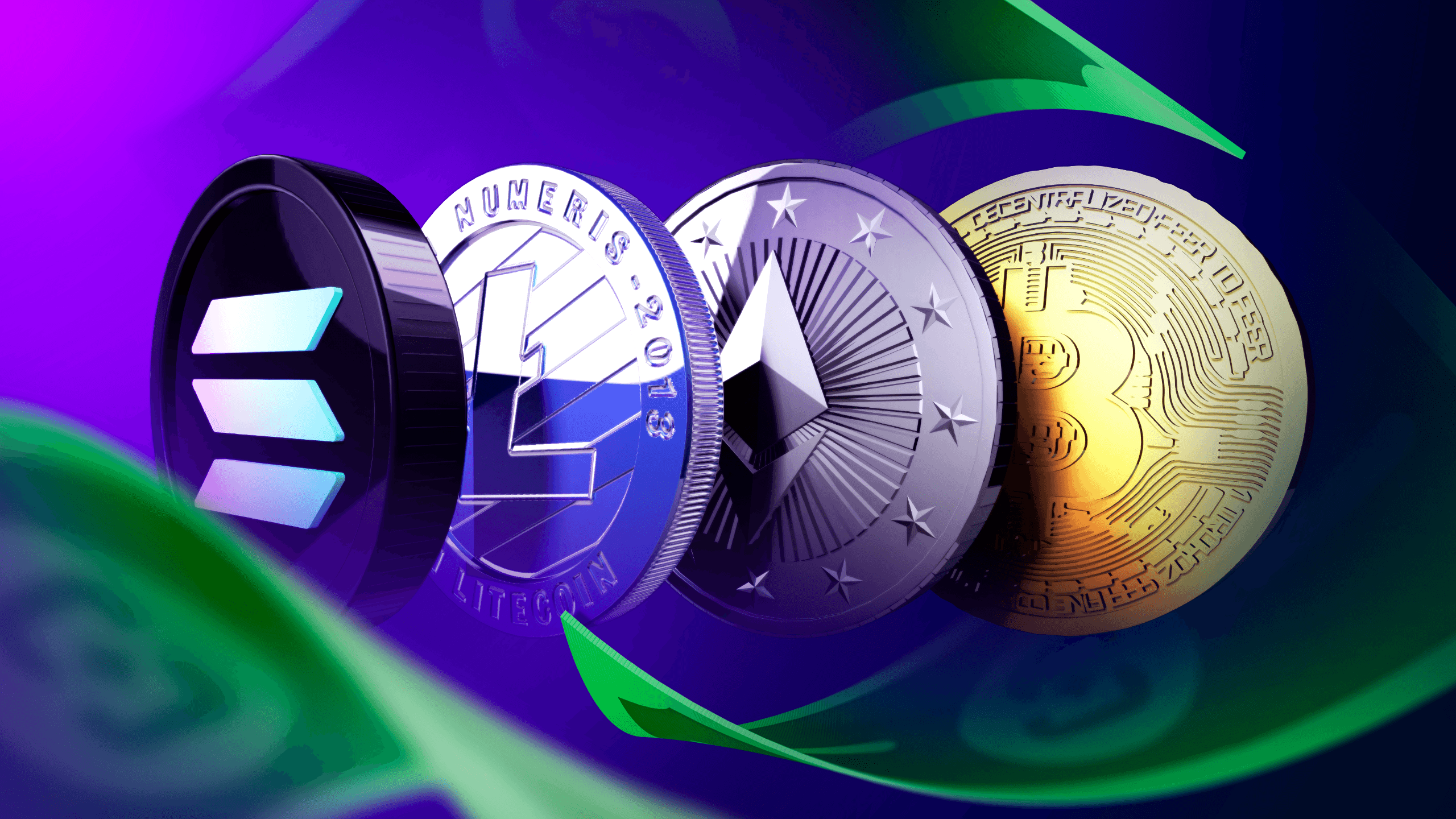
Shuffle is a crypto casino and sportsbook, so you fund your account and cash out in cryptocurrency rather than with a bank card. To date, Shuffle supports 21 different coins and tokens — from major assets like Bitcoin and Ethereum to dollar-pegged stablecoins, popular meme coins, and its own native token, SHFL.
That range matters: the coin you choose affects how fast your deposit arrives, what you pay in network fees, and whether your balance holds steady or swings with the market. It also means most players can start with a coin they already hold instead of swapping into something new first.
Heads up: Accepted cryptocurrencies and networks can change. Always confirm the current list and network options in your personal Shuffle wallet before you send anything.
Key Takeaways
Shuffle is a crypto casino — you play with cryptocurrency, not credit cards or bank transfers.
21 cryptocurrencies are currently supported, including BTC, ETH, LTC, SOL, XRP, USDT, USDC, DOGE, and the native SHFL token.
Many coins run on more than one network (USDT works on five). Always double check that you are sending your asset on the correct network, as a transaction on the wrong network can cause permanent loss of funds.
No crypto yet? A built-in "Buy Crypto" tool (via MoonPay and Swapped) lets you buy with a card and play.
Shuffle holds a Curaçao gaming license and is operated by Natural Nine B.V.
What cryptocurrencies does Shuffle support?
Shuffle currently supports 21 cryptocurrencies and tokens for both deposits and withdrawals, grouped below with the networks each runs on.
Major cryptocurrencies
Coin | Ticker | Networks supported |
Bitcoin | BTC | Bitcoin |
Ethereum | ETH | ERC20, BEP20, Base |
Litecoin | LTC | Litecoin |
Solana | SOL | Solana |
Ripple | XRP | XRP Ledger (destination tag required) |
Tron | TRX | Tron |
Dogecoin | DOGE | Dogecoin |
Binance Coin | BNB | BEP20 |
Avalanche | AVAX | Avalanche |
Gram (formerly Toncoin) | GRAM | TON (memo/tag required) |
Polygon | POL | Polygon, Ethereum |
Stablecoins
Stablecoins track the value of a currency such as the US dollar, so their value barely moves — handy for players who want a predictable balance instead of one that rises and falls with the market.
Stablecoin | Ticker | Networks supported |
Tether | USDT | ERC20, BEP20, TRC20, Polygon, Solana |
USD Coin | USDC | ERC20, BEP20, Solana, Polygon, Base, Arbitrum |
Binance USD | BUSD | BEP20 |
Dai | DAI | ERC20 |
Note on USDC: On the Arbitrum network, Shuffle only supports the official USDC contract address (0xaf88d065e77c8cc2239327c5edb3a432268e5831). Sending a different "bridged" USDC token (e.g. USDC.e) may not be credited, and recovery is not guaranteed.
Meme coins
Token | Ticker | Network |
Shiba Inu | SHIB | ERC20 |
Bonk | BONK | Solana |
dogwifhat | WIF | Solana |
Official Trump | TRUMP | Solana |
Pump | PUMP | Solana |
Native token
Token | Ticker | Network |
Shuffle Token | SHFL | ERC20 |
Which coins suit which type of player?
Someone making an occasional deposit has different needs from someone playing daily, and a player who wants a stable budget thinks differently from one who already holds a portfolio. Here's a rough guide to matching the coin to the player.
Player type | Coins that fit well | Why |
Beginners | BTC, ETH, DOGE | Well-known, easy to buy, and probably already familiar |
Everyday/practical users | LTC, TRX, XRP | Fast, low-friction transfers for regular play |
Players who want a steady balance | USDT, USDC, BUSD, DAI | Pegged to the US dollar for a predictable balance |
Crypto-savvy users | SOL, POL, ETH | Modern networks with wide use across the crypto ecosystem |
The point isn't the number of coins on the list, but whether the selection is useful in everyday play — and for most players, it is.
What is SHFL, Shuffle's native token?
The SHFL Token is Shuffle's own cryptocurrency, built on the Ethereum (ERC20) network. Beyond being a coin you can deposit and play with, it plugs into the platform's rewards and VIP systems, so holding and using it can unlock extra perks for regular players.
There's also a built-in conversion feature: you can swap certain coins directly into SHFL inside your wallet — only BTC, ETH, USDT, USDC, and SOL qualify. You enter an amount, Shuffle shows a live quote, and the SHFL lands in your balance once you confirm. Like any cryptocurrency, its value can rise or fall, so treat it as a volatile asset rather than a stable store of value.
Which blockchain network should you choose?
This is the single most important thing to get right. Many coins on Shuffle run on more than one network — USDT is available on five — and you must send your deposit on a network Shuffle supports for that coin. Sending on the wrong chain can mean your funds are lost for good.
A few rules worth remembering:
XRP and GRAM deposits need a destination tag (memo). Leave it out or get it wrong and your deposit may not arrive — copy both the address and the tag exactly.
USDC on Arbitrum must use the official contract address shown above. Bridged versions aren't supported.
Match the network on both ends. Withdrawals go out on the same type of network, so make sure your receiving wallet supports it.
If ever in doubt, one trick is to deposit a small test amount first, confirm it arrives, then send the rest.
How to deposit crypto on Shuffle
Once your account is set up (you'll need email verification and basic account info first):
Open your wallet via the icon in the top menu.
Select "Deposit." Bitcoin is usually shown by default.
Choose your coin and network, and double-check the network matches your sending wallet.
Copy your deposit address (or scan the QR code). For XRP and GRAM, also copy the destination tag.
Send from your external wallet, then confirm the transaction.
Both deposits and withdrawals are typically instant, though this depends on the crypto and network being used.
For a comprehensive walkthrough of the deposit process, refer to our guide How To Deposit and Withdraw on Shuffle. Further assistance can be offered by 24/7 customer support via live chat or email ([email protected]).
What if you don't own any cryptocurrency yet?
Shuffle's built-in "Buy Crypto" feature lets you purchase coins without leaving the site. It connects to third-party providers — MoonPay and Swapped — so you can pay with options like Visa, Mastercard, Apple Pay, or Google Pay.
You pick your local currency, the coin, and the amount, and it's credited to your balance once the purchase clears. These providers charge their own fees and run their own identity checks, separate from Shuffle.
On the other hand, if you would rather buy your own crypto off-platform and then deposit on Shuffle, you can refer to our Buying Cryptocurrency Guide to help make the process a little more straightforward.
If you are new to crypto, be sure to check out our guide to gaming and betting to ensure you are in the know before wagering.
Withdrawals and network fees
You can withdraw using the same coins you deposit: open your wallet, select the coin, enter your external address and amount, then confirm. Two things to budget for:
Network (gas) fees come out of your withdrawal and vary by coin — a low-fee network like Solana or Tron is usually far cheaper than Ethereum during busy periods.
Verification. You can often play and deposit with only basic details. Larger withdrawals, however, may trigger identity verification (a government-issued ID, sometimes proof of address, or other industry standard KYC checks). Players are encouraged to complete verification ahead of time as it avoids any potential delays down the road.
Is Shuffle safe and licensed?
Shuffle holds a Curaçao gaming license and is operated by Natural Nine B.V.; a meaningful trust signal, since it means the operator is subject to oversight covering fair play and dispute handling. As with any offshore-licensed site, check that online gambling is legal where you live before signing up. Rules differ by country and jurisdiction.
Because Shuffle settles everything on public blockchains, transactions are transparent and don't pass through banks which often cost more in time and money. Using crypto also means human error can be quite costly, however. Send to the wrong address or network and there's no chargeback, so ensure all information is correct before submitting the transaction.
Playing Responsibly
Casino and sportsbook outcomes are based on chance, and the house holds a mathematical edge on every game. Crypto adds a second layer of risk, since the value of your balance can swing with the market. Only play with money you can afford to lose, and use the tools available to stay in control, such as loss limits, time-outs, and self-exclusion. If gambling stops being fun or starts to feel like a problem, reach out to a gambling-support service in your area. You must be of legal age to play (18+ in most regions).
Frequently asked questions
How many cryptocurrencies does Shuffle support?
Shuffle currently supports 21 cryptocurrencies and tokens, including Bitcoin, Ethereum, Litecoin, Solana, XRP, Tron, Dogecoin, BNB, Avalanche, Gram, Polygon, the stablecoins USDT, USDC, BUSD, and DAI, several meme coins, and its native SHFL token.
Can I play with stablecoins?
Yes. USDT, USDC, BUSD, and DAI are all supported. Their dollar peg makes them a popular pick for players who'd rather keep a steady budget than ride the market.
Which coins are best for fast deposits?
Litecoin, Tron, and XRP are popular for quick, low-cost transfers, and Solana is also known for speed. The best choice usually comes down to which coin you already hold and which network your wallet supports.
Does Shuffle accept credit cards?
Not for direct deposits at this time. Shuffle is a crypto casino, but its built-in MoonPay and Swapped integration lets you buy crypto with a card and play with that.
What happens if I deposit on the wrong network?
Depositing on the wrong network may result in a permanent loss of funds. Shuffle can't guarantee recovery of deposits sent on unsupported networks, so always match the network and include a destination tag for XRP and GRAM. Reach out to Shuffle Support with any questions or concerns.